Salient Achievements
- Standardized laboratory rearing methodologies for the following insects and natural enemies
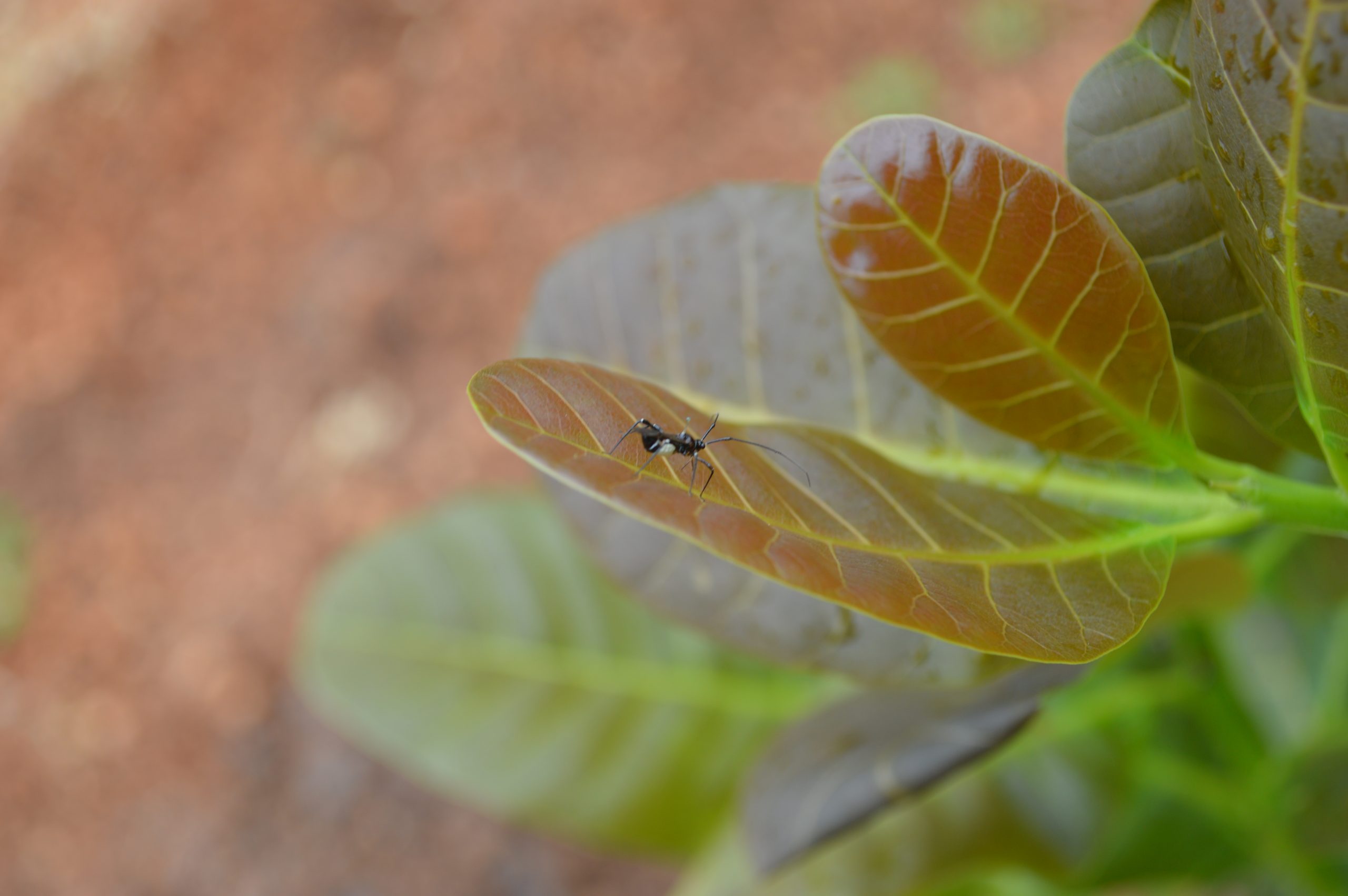
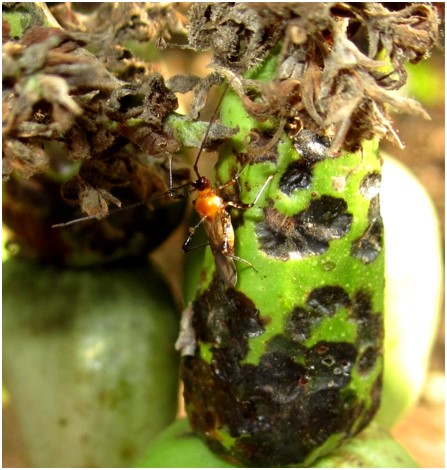
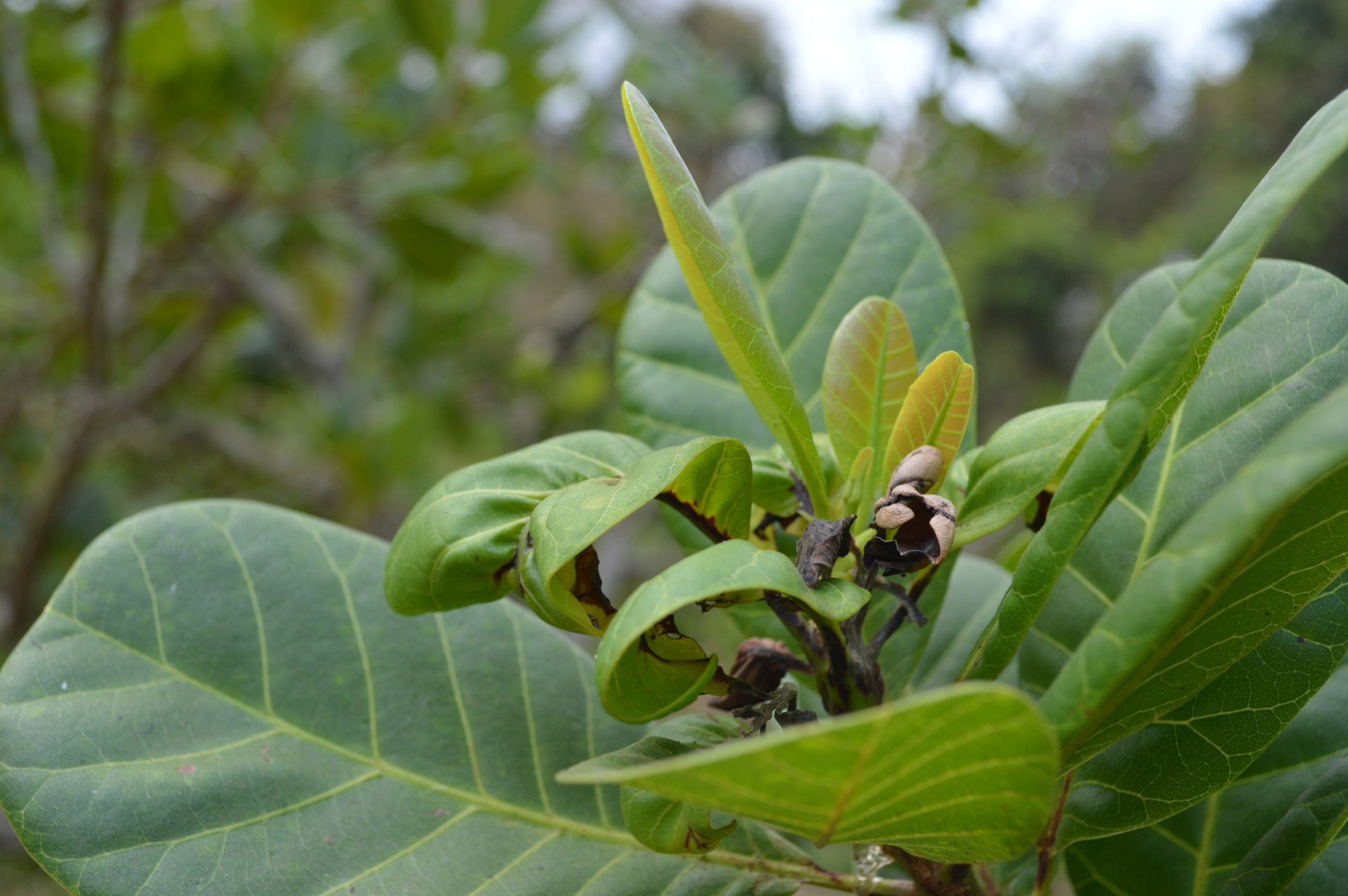
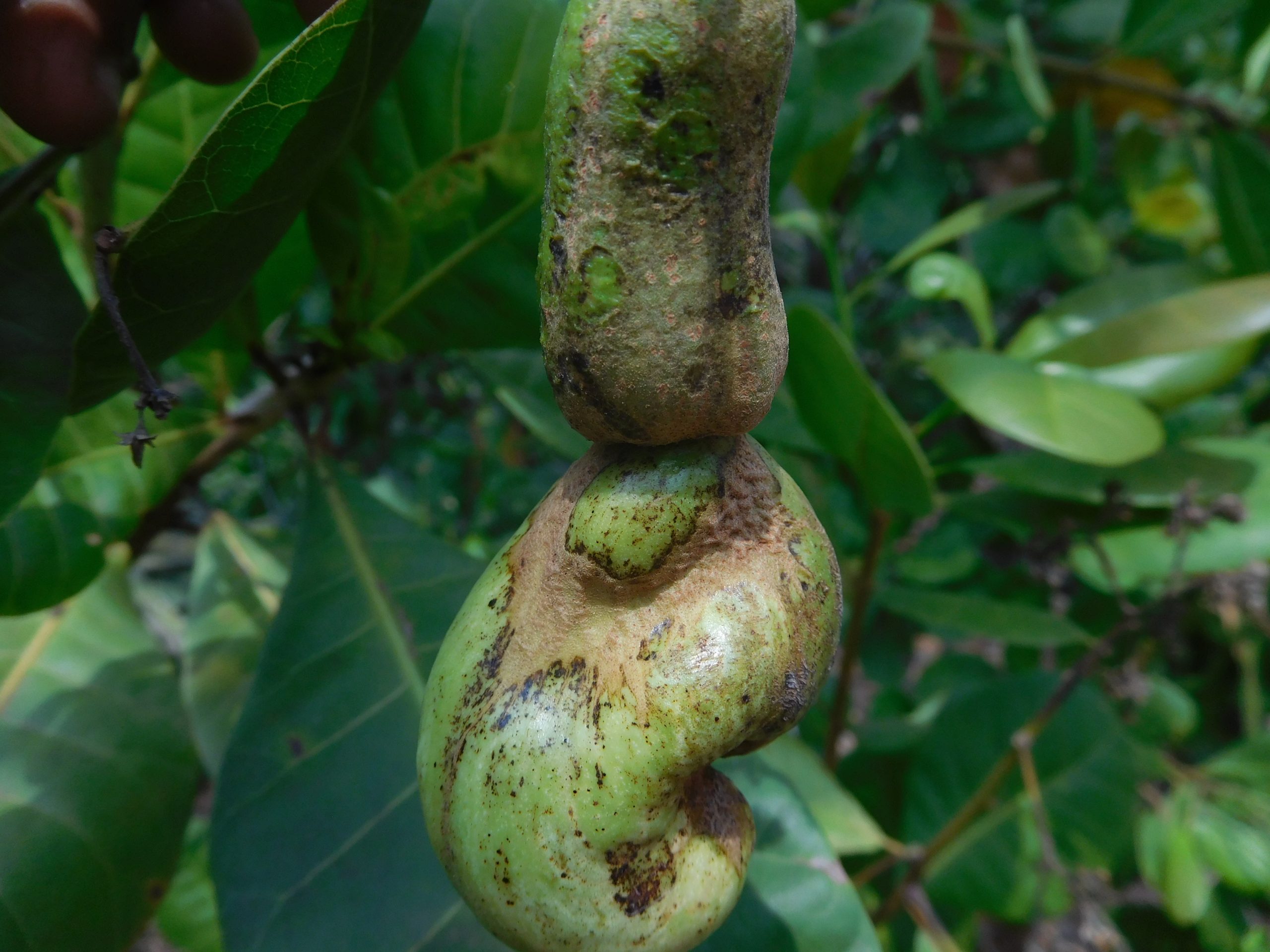
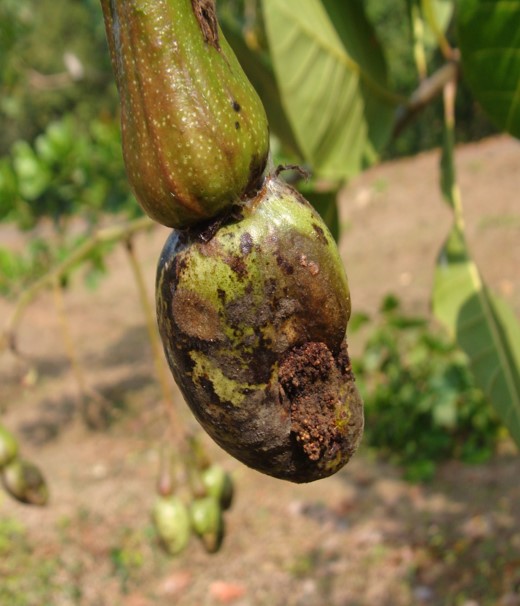
- Tea mosquito bug (Helopeltis spp.) on cashew shoots
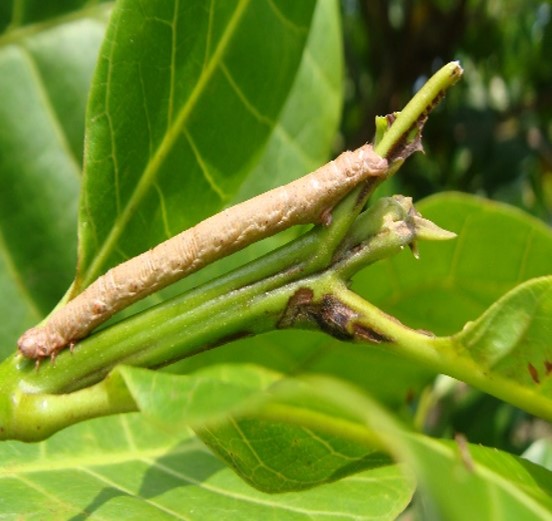
- Cashew stem and root borer (Plocaederus spp.) on cashew bark
- Cashew stem and root borer (Plocaederus spp.) on semi-synthetic diet
- Reduviid bug species using wax moth larvae as prey
- Praying mantid species using wax moth larvae as prey
- Varietal resistance A mid-season flowering variety which escapes TMB damage during peak flowering and produces flowers after TMB infestation has been identified and released as ‘Bhaskara’
- Standardized laboratory rearing methodologies for the following insects and natural enemies
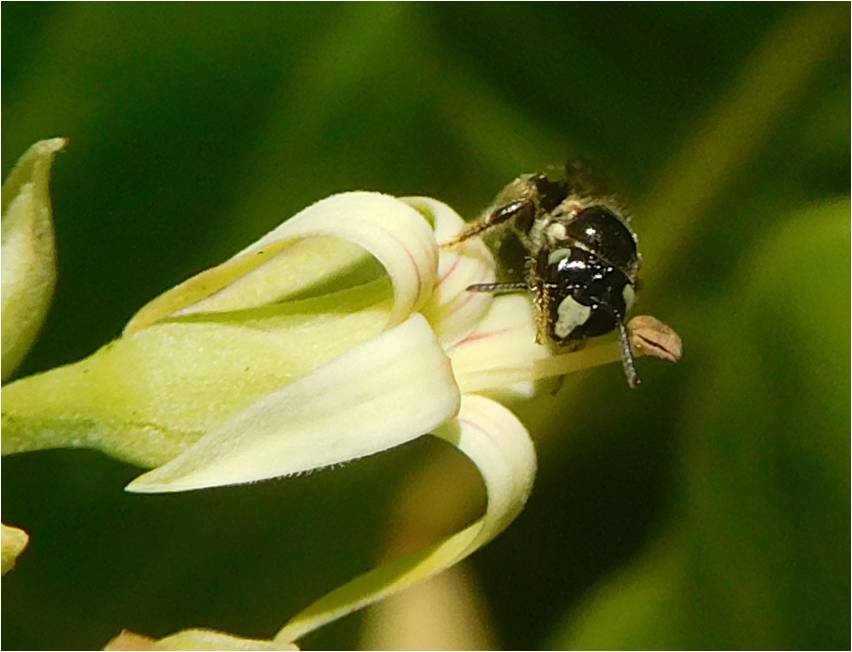
- Documentation of insect pests and pollinators More than 150 insect pests infesting cashew, their natural enemies and the pollinators have been documented; and the biology of major insects, natural enemies and solitary bees was studied.
- Technologies
- Semi-synthetic diet for cashew stem and root borer
- IPM strategies for TMB
- IPM strategies for cashew stem and root borer
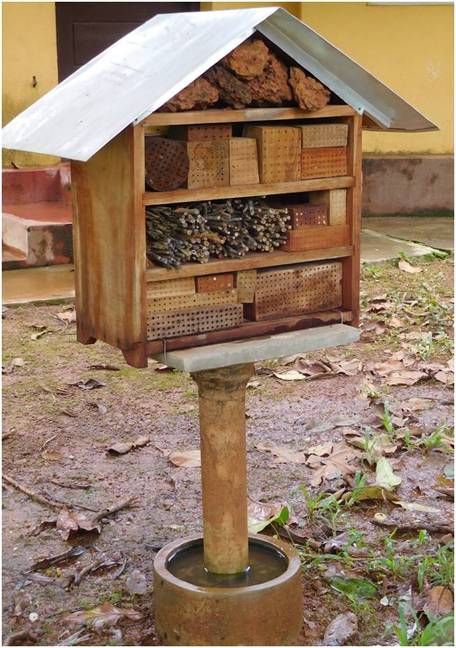
- Artificial bee nests for Braunsapis spp.
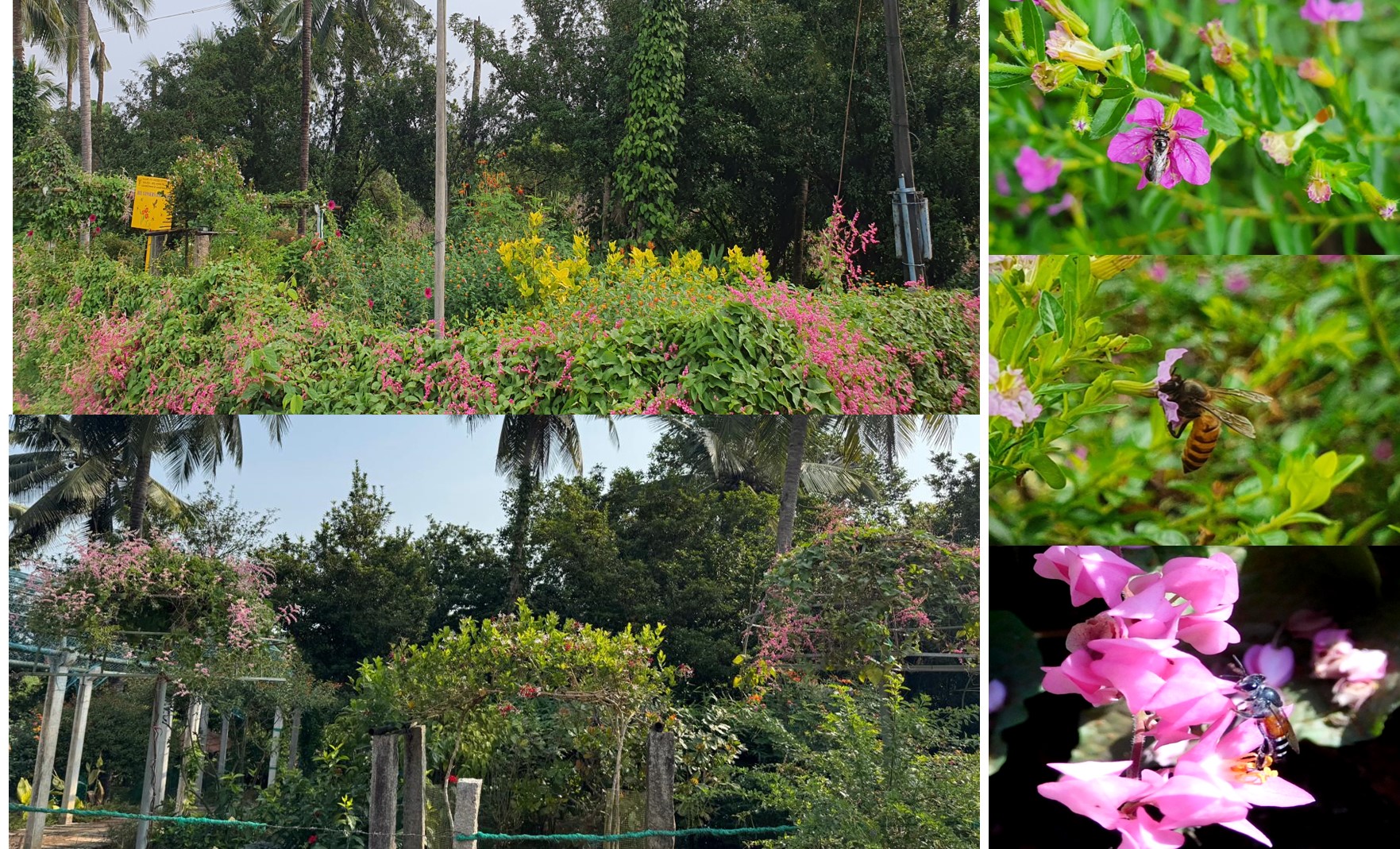
- Other accomplishments Cashew pest database – a website giving information on various cashew pests Website on Beneficial arthropods in cashew plantations Bee conservation park for the conservation of pollinators.
Plant Pathology
- The Cashew Leaf Blight (CLB) disease caused by Neopestalotiopsis clavispora in nursery conditions with 25-30% disease incidence, was reported. The disease symptomology, cultural and morphological characterisation of the pathogen and multigene analysis for identification of the pathogen up to the species level were documented
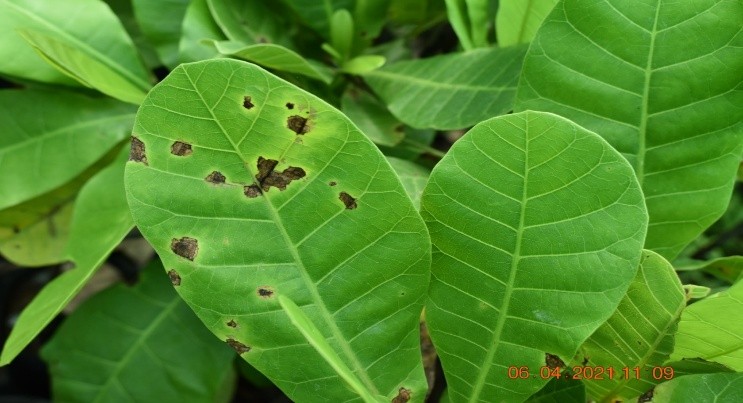
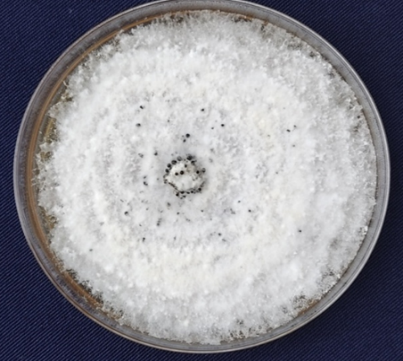
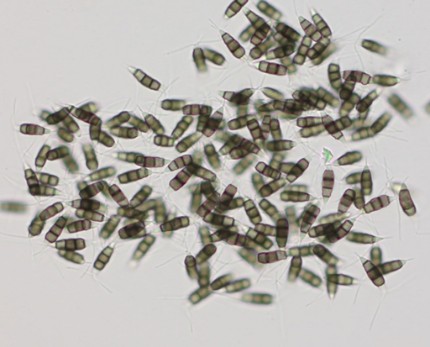
- The Cashew Leaf Blight (CLB) disease caused by Neopestalotiopsis clavispora in nursery conditions with 25-30% disease incidence, was reported. The disease symptomology, cultural and morphological characterisation of the pathogen and multigene analysis for identification of the pathogen up to the species level were documented
- Whole genome sequencing of Neopestalotiopsis clavispora revealed a total assembled genome size of 59.25 Mb with base pair length of 60576399, N50 contig size of 129039 bp, GC content ratio of 50.05%
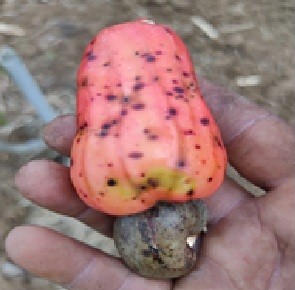
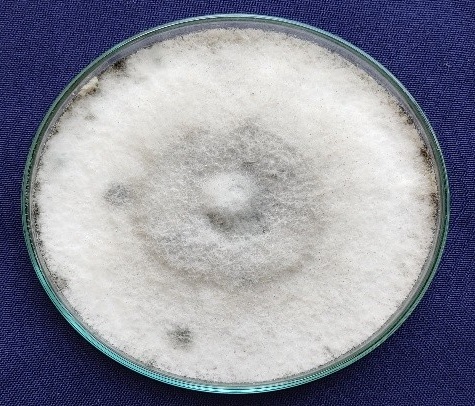
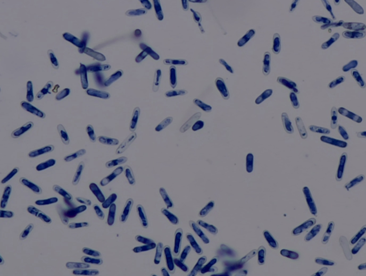
- Whole genome sequencing of Neopestalotiopsis clavispora revealed a total assembled genome size of 59.25 Mb with base pair length of 60576399, N50 contig size of 129039 bp, GC content ratio of 50.05%
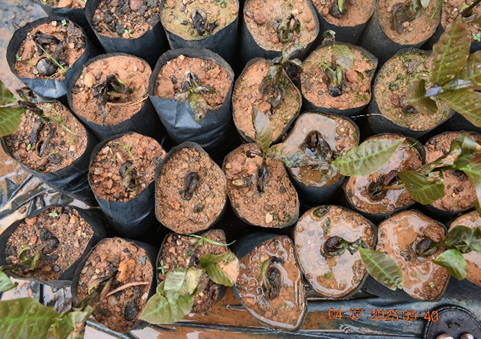
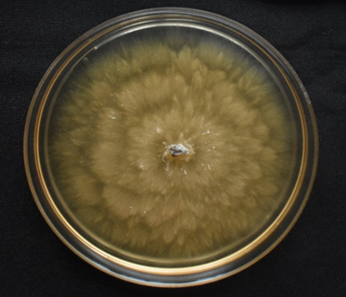
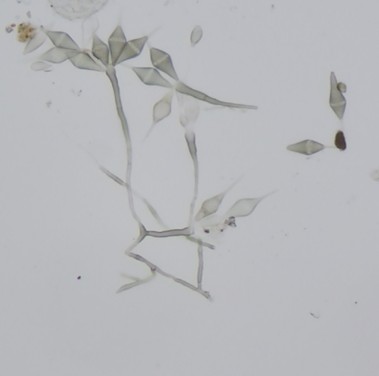
- The seedling rot disease of cashew caused by Beltrania rhombica in nursery conditions was reported
Infrastructure facilities
- A well-equipped pest diagnostic and biocontrol laboratory with different facilities like Thermal cycler, nanodrop, refrigerated centrifuge, a gel documentation system, laminar air flow, BOD incubators, vertical autoclave, etc., through external funding was established.
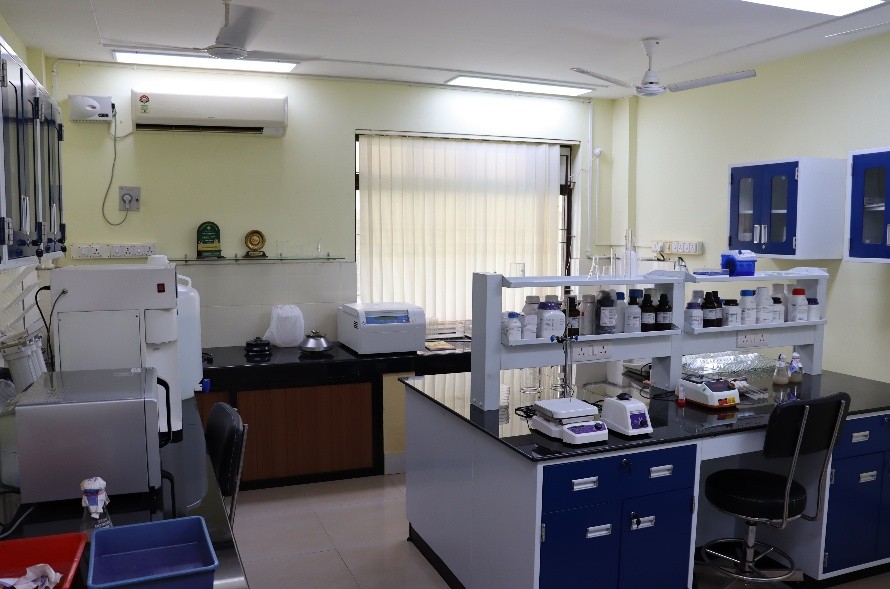
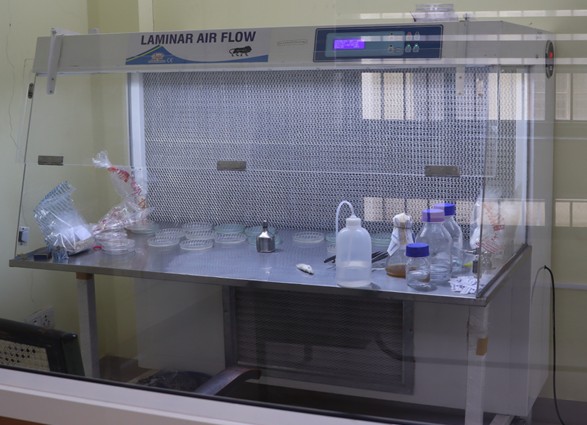
- A well-equipped pest diagnostic and biocontrol laboratory with different facilities like Thermal cycler, nanodrop, refrigerated centrifuge, a gel documentation system, laminar air flow, BOD incubators, vertical autoclave, etc., through external funding was established.
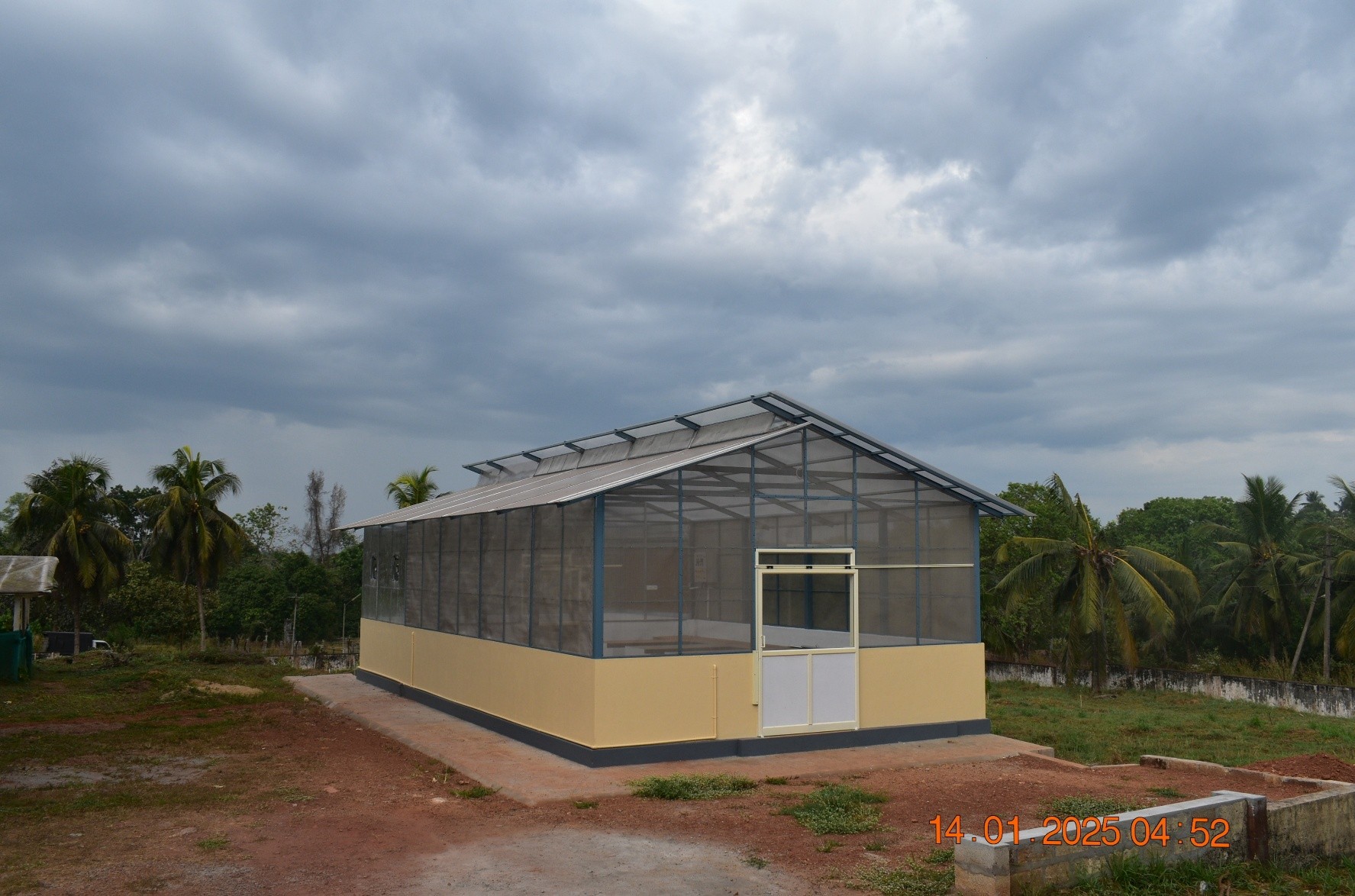
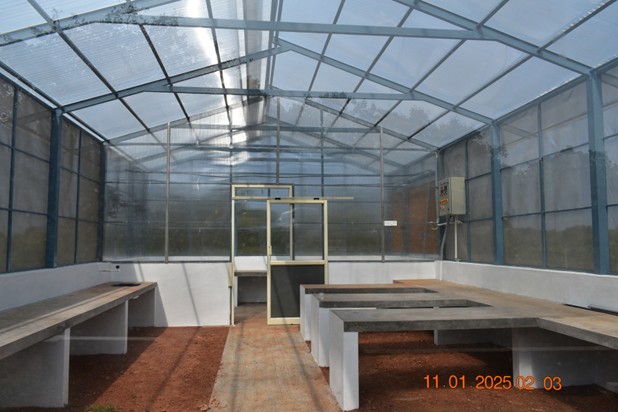
- Insect-proof net house and glasshouse facilities for artificial screening of pests and diseases were built