Genetics and Plant Breeding
- Collection, conservation, characterisation and evaluation of cashew genetic resources (1986 – Long term)
Dr. Mohana G.S., Dr. Vanitha K., Dr. Eradasappa E., Dr. Veena G.L. & Dr. Rajashekara H. - Genetic improvement of cashew through hybridisation and seedling selection approaches (1986 – Long Term)
Dr. J.D. Adiga, Dr. Mohana G.S., Dr. Eradasappa E., Dr. Veena G.L., Dr. Siddanna Savadi, Dr. Manjesh G.N. & Dr. Bhagya H.P. - Breeding in cashew for special traits (06/2012–05/2027)
Dr. Eradasappa E., Dr. Mohana G.S., Dr. Veena G.L., Dr. Vanitha K., Dr. Raviprasad T.N. & Dr. Rajashekara H. - Breeding approaches for developing TMB tolerance (09/2017–08/2030)
Dr. Mohana G.S., Dr. Eradasappa E. & Dr. K. Vanitha - Genetics of traits in cashew (05/2019 – 04/2025)
Dr. Eradasappa E., Dr. Mohana G.S. & Dr. Siddanna Savadi - Polyploidy breeding in cashew (10/2020–09/2030)
Dr. Mohana G.S. & Dr. Eradasappa E. - Evaluation of dwarf and semi dwarf accessions and their seedling progenies for high density planting system (09/2021–08/2032)
Dr. Mohana G.S. & Dr. Eradasappa E.
Externally Funded Project
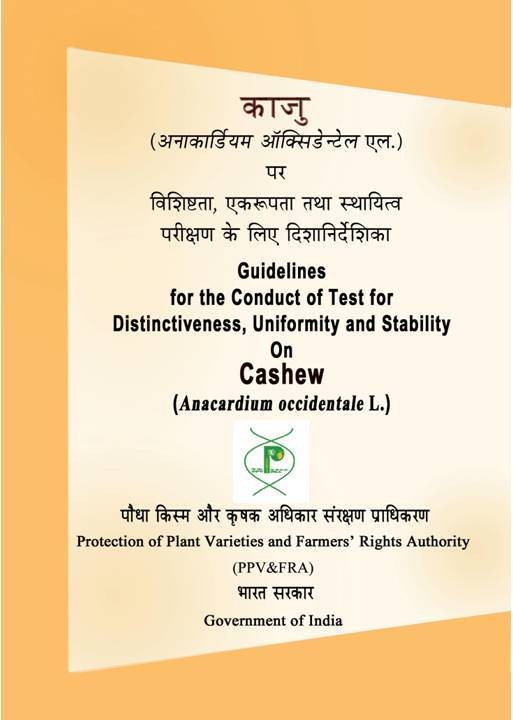
- Development of morphological descriptors and DUS test guidelines for cashew (2015–2025)
Dr. Mohana G.S.
Funded by Protection of Plant Varieties and Farmers Right’s Authority (PPV FRA), New Delhi
Observational Trials
- Screening of cashew genotypes for suitability as rootstocks (2025–2026)
Dr. Eradasappa E., Dr. Bhagya H.P. & Dr. J.D. Adiga - Studies on variation for grafting success in cashew varieties
Dr. Eradasappa E., Dr. Bhagya H.P. & Dr. J.D. Adiga - Studies on mixed pollination using genotypes with desirable nut weight, yield, shelling percentage for getting better F1 plants (2025–2026)
Dr. Eradasappa E. & Dr. Mohana G.S. - Screening of seedlings of Benin and Cambodia origin nuts for kernel quality (2025–2026)
Dr. Eradasappa E., Dr. J. Dinakara Adiga & Dr. Veena G.L.
Research Activity
- Cryopreservation in Cashew
Dr. Veena G.L.
- Collection, conservation, characterisation and evaluation of cashew genetic resources (1986 – Long term)
Biotechnology
- Genetic dissection of QTLs governing nut yield and cashew nut shell liquid (CNSL) content in cashew (06/2018–05/2025)
Dr. Siddanna Savadi, Dr. Eradasappa E., Dr. Mohana G.S., Dr. Manjunatha K., Dr. Manjesh G.N. & Dr. Veena G.L. - Deciphering the molecular basis of Cashew-Tea Mosquito Bug (TMB) interactions to understand host response and TMB effectors (09/2022–09/2026)
Dr. Siddanna Savadi, Dr. T.N. Raviprasad, Dr. K. Vanitha & Dr. Rajashekahara H. - Profiling of important biochemicals in cashew cultivars and germplasm and exploration of biofuel production potential from cashew tree wastes (10/2025–09/2029)
Dr. Siddanna Savadi & Dr. Manjunatha K.
Externally Funded Project
- Establishment of state-of-the-art facilities for Speed Breeding and Omics resources for accelerating cashew breeding (10/2024–09/2026)
Dr. Siddanna Savadi, Dr. J.D. Adiga, Dr. Manjunatha K. & Dr. Bhagya H.P.
Funded by RKVY, Department of Agriculture, Government of Karnataka
Crop Physiology
- Physiological, biochemical and molecular characterization of cashew accessions for drought stress (10/2024–10/2027)
Dr. Babli Mog, Dr. Veena G.L., Dr. Bhagya H.P., Dr. V. Thondaiman, Dr. Mohana G.S., Dr. Manjesh G.N. & Dr. Siddanna Savadi - Physiological and biochemical basis of salinity tolerance in cashew accessions (09/2021–08/2026)
Dr. Babli Mog, Dr. Veena G.L., Dr. Bhagya H.P., Dr. V. Thondaiman & Dr. Manjesh G.N. - In-vitro pollen germination and pollen tube growth of cashew varieties in response to high temperature stress (05/2019 – 04/2027)
Dr. Babli Mog, Dr. Eradasappa E., Dr. Veena G.L., Dr. Bhagya H.P., Dr. V. Thondaiman & Dr. Manjesh G.N.
Genetic Resources
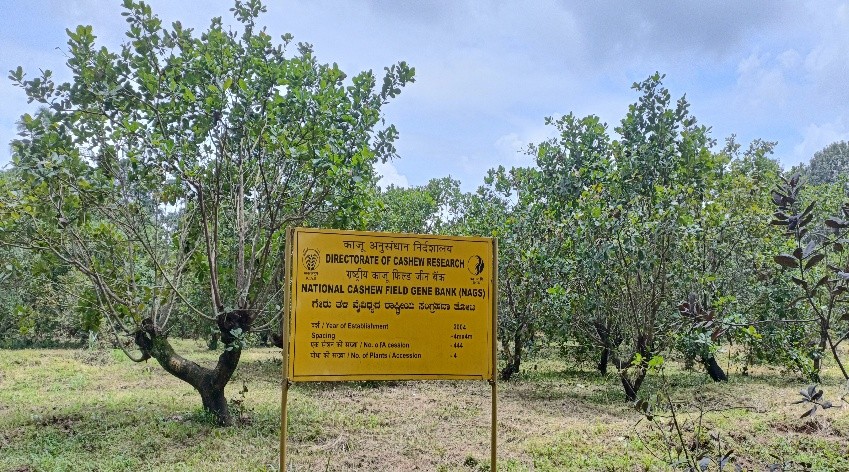
- In the National Cashew Field Gene Bank, 603 germplasm accessions have been conserved/ are in various stages of characterisation and evaluation
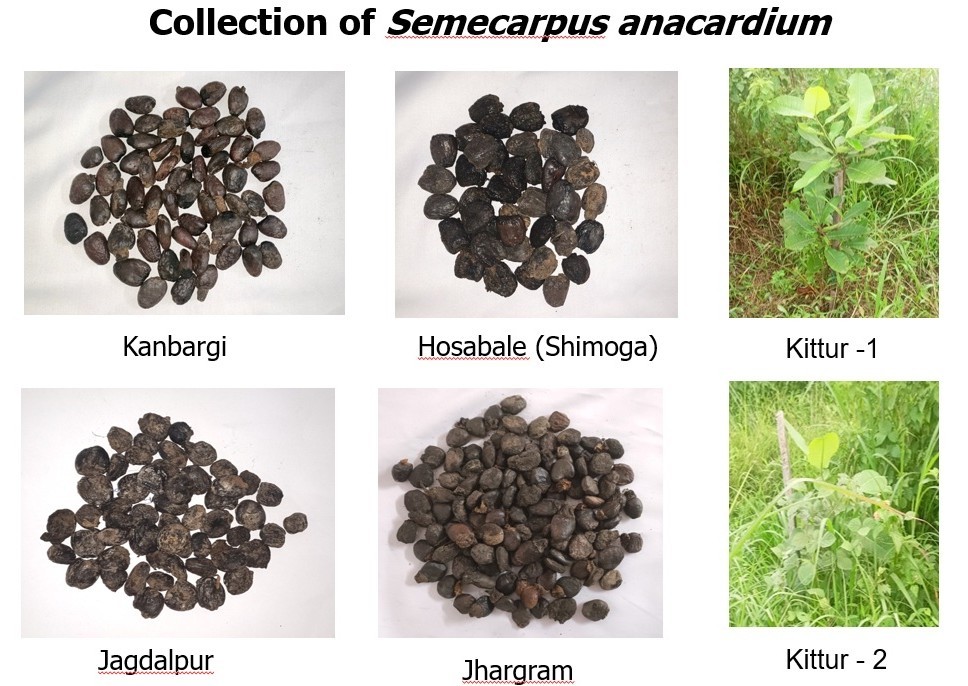
- Three wild species of cashew i.e. Anacardium othonianum, A. microcarpum and A. pumilum, have been conserved and utilised to produce interspecific progenies. Wild species such as Semecarpus anacardium and Semecarpus kurzii have also been collected.
- Through the pollen cryopreservation technique, the first-ever intergeneric hybrid progenies involving cultivated cashew and Semecarpus kurzii have been developed and are under evaluation
- The Cashew Germplasm Database Management system has been developed
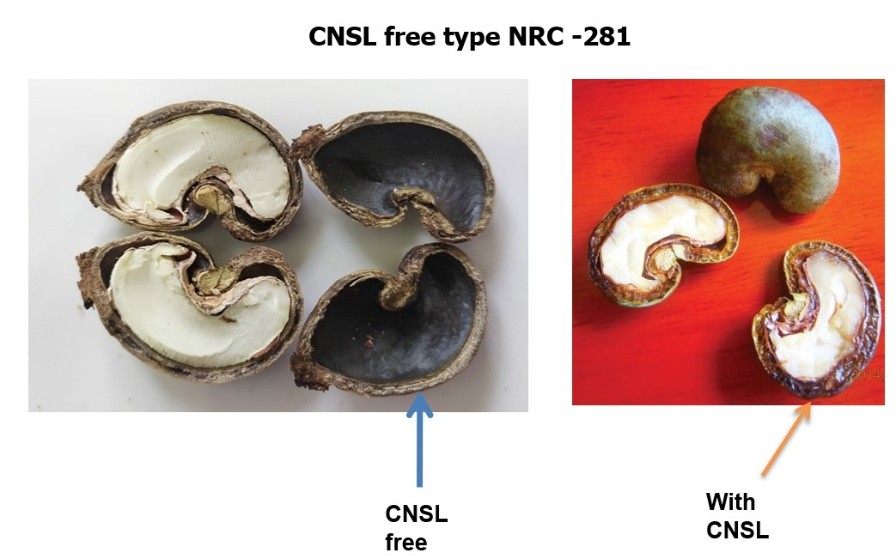
- Cashew Nut Shell Liquid content of 447 accessions has been estimated
- A core collection of 49 accessions has been developed by deploying the advanced Maximisation Strategy with Heuristic approach from 478 accessions.
- A total of 1061 polyclonal hybrids have been produced and established in the field for evaluation
- 15 Cashew germplasm accessions with unique traits were registered with ICAR-NBPGR, New Delhi.


Cashew Breeding
- Varieties such as NRCC- Selection 2, Bhaskara, Nethra Ganga (H-130), Nethra Jumbo-1, Nethra Jumbo-2, Nethra Ubhaya (dual-purpose), Nethra Vaaman (dwarf variety) and Nethra Samruddhi have been developed and released for cultivation
- The pollen viability and stigma receptivity have been studied, and the hybridisation technique in cashew has been developed
- Empirically proved the self-compatible nature of cashew and concluded that self-incompatibility is not present in cashew
- A novel method of comparing cashew varieties – the weighted scoring method has been devised
- Methodology for the evaluation of progenies for developing new cashew varieties has been revised and circulated among cashew workers
- DUS test guidelines have been developed for cashew
- DUS test certificate of registration has been obtained for Bhaskara, Nethra Ganga, Nethra Jumbo-1, Nethra Ubhaya and Nethra Vaaman varieties


Biotechnology
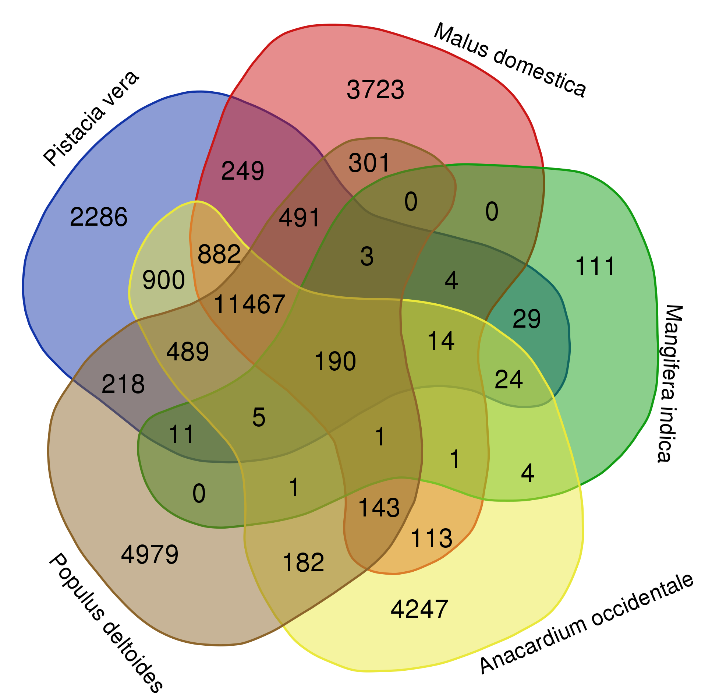
- The genome of the Indian cashew cultivar Bhaskara was de novo assembled for the first time by integrating Nanopore long-read and Illumina short-read sequencing technologies, resulting in a hybrid assembly of approximately 356.6 MB
- Large set of genomic resources (transcriptomes, re-sequenced genomes) and molecular markers: 35 genic SSRs, 110 SSRs, and 85 InDel markers were developed
- A rapid molecular method based on SSR markers was devised to evaluate the genetic purity of interspecific hybrids between cashew and microcarpum at the seedling stage.
- Mapping populations were developed to study key agronomic traits such as plant height, nut yield, nut weight, and Cashew Nut Shell Liquid (CNSL) content.
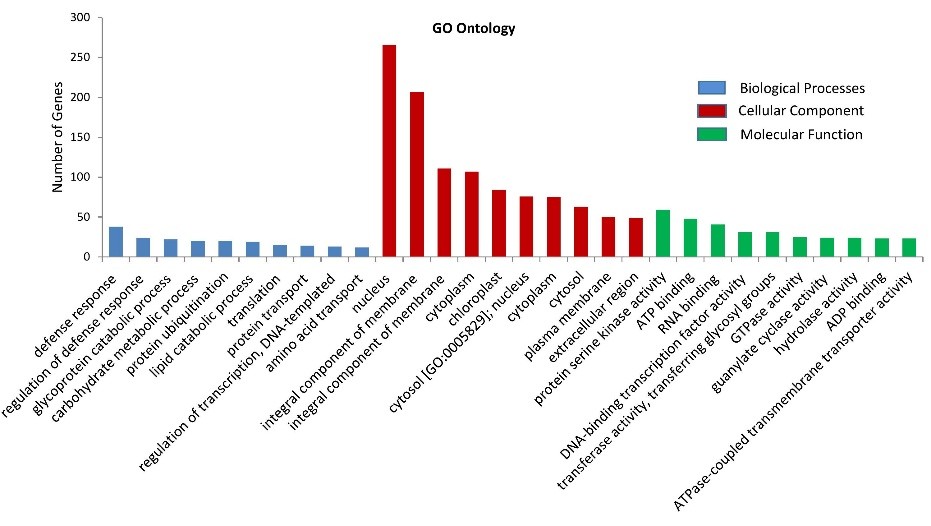
- Expression profiling of the GA-2 oxidase family genes was conducted across different cashew cultivars and phenological stages, providing insights into their regulatory role in growth and development.
- Rapid extraction protocols were developed for Cashew Nut Shell Liquid (CNSL) and Cashew Kernel Oil (CKO).
- RNA extraction protocols were optimised for the extraction of RNA from cashew nuts, fruits, and leaves, for facilitating gene expression studies in cashew.


Crop Physiology
- Identified ‘Priyanka’ and ‘Bhaskara’ as the most promising drought-tolerant cashew varieties using Multi-trait Genotype Ideotype Distance Indexing (MGIDI), while classifying ‘Ullal-2’, ‘Vengurla-2’, and ‘Madakkathara-1’ as highly sensitive.
- Established the phenomenon that the sustained endogenous levels of key phytohormones, namely abscisic acid (ABA), jasmonic acid (JA), and indole-3-acetic acid (IAA) in tolerant varieties are directly and positively correlated with nut yield under water-limited conditions
- Deciphered the differential regulation of antioxidants (increased ascorbate peroxidase and polyphenol oxidase activity), proline and soluble sugars and specific flavonoids (quercetin, hesperetin) and phenols (gallic acid, ellagic acid) in enhancing the drought tolerance.
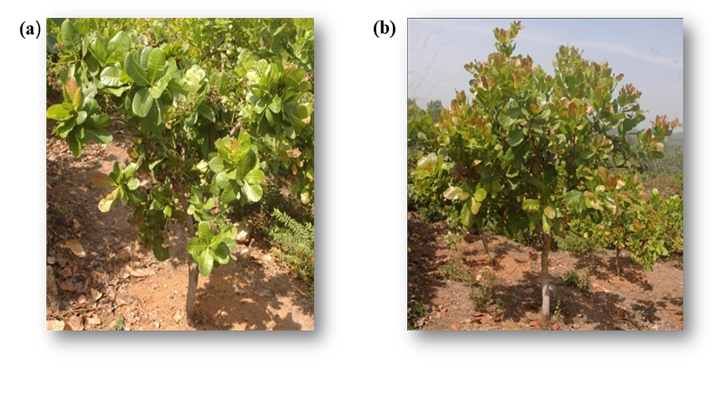
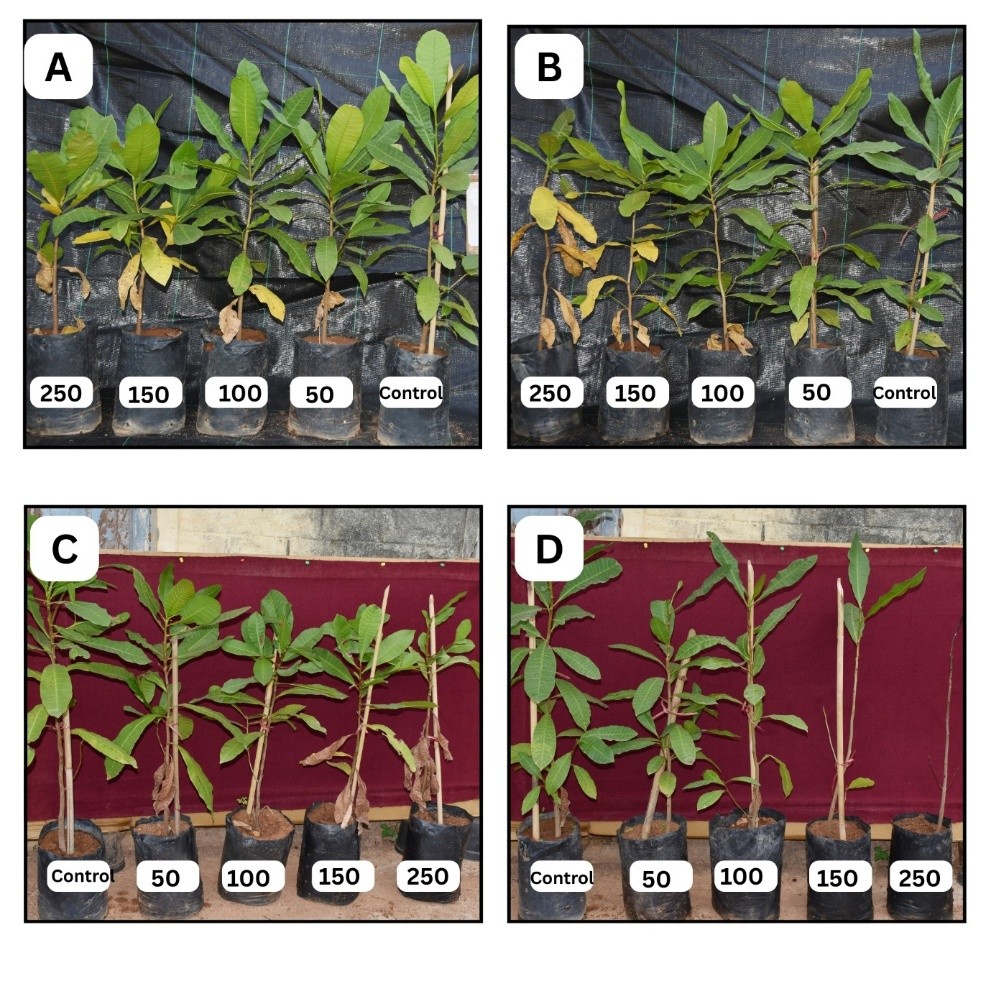
- Identified the key biomarkers for salt tolerance: high relative water content (RWC), stable photosynthetic pigments, an optimal K+/Na+ ratio, and increased accumulation of soluble sugars and proline
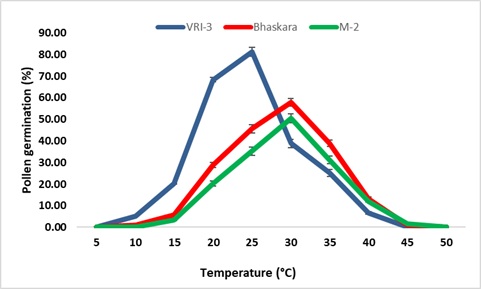
- Standardized the in vitro pollen germination assays to screen temperature tolerance in diverse cashew varieties
- Identified the differential varietal adaptability to temperature extremes: early varieties perform best at 25°C while mid and late varieties thrive at 30°C and demonstrate superior resilience to temperatures exceeding 40°C.
- Novel chemical canopy management in high-density planting systems has been standardised using the growth retardant – paclobutrazol (PBZ)
- Established the cultivar-specific maturity indices for optimal harvest: correlated maturity indices such as nut moisture content linked to germination percentage, and apple TSS/juice recovery
- Established key leaf morphological biomarkers for yield prediction: easily measurable leaf morphological and physiological traits, namely Leaf Area (LA), Specific Leaf Area (SLA), and Specific Leaf Weight (SLW), and critical yield components (nut number/weight, panicle number)
- Established the seed mass as a critical predictor of seedling vigour and relative growth rate (RGR) in cashew.

Scientists

Dr. Mohan G.S.
Principal Scientist
(Gen. & Cyto.)

Dr. Eradasappa, E.
Principal Scientist
(Plant Breeding)

Dr. Babli Mog
Senior Scientist
(Plant Physiology)

Dr. Siddanna Savadi
Senior Scientist
(Biotechnology)